Bifacial monocrystalline solar panels are high-efficiency, dual-sided modules that generate electricity from both direct sunlight on the front and reflected light (albedo) on the back. Utilizing single-crystal silicon cells, they feature transparent, glass-on-glass, or clear back sheet construction, increasing energy yield by 10–30% compared to traditional, single-sided (mono-facial) panels.
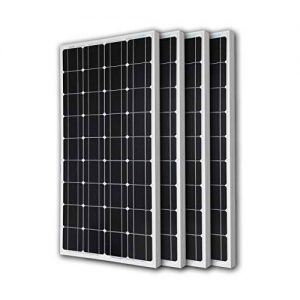
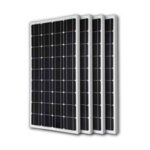
150Watts Monocrystalline Solar Panel
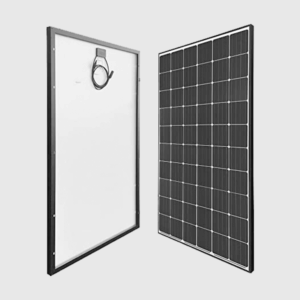
200 Watts Monocrystalline Monofacial Solar Panels
585W Monocrystalline Bifacial Solar Panel
615W Monocrystalline Bifacial Solar Panel
620W Monocrystalline Bifacial Solar Panel
625W Monocrystalline Bifacial Solar Panel
Bifacial Monocrystalline Solar Panels
Bifacial monocrystalline solar panels are high-efficiency, dual-sided modules that generate electricity from both direct sunlight on the front and reflected light (albedo) on the back. Utilizing single-crystal silicon cells, they feature transparent, glass-on-glass, or clear back sheet construction, increasing energy yield by 10–30% compared to traditional, single-sided (mono-facial) panels.
- Dual-Sided Energy Capture: Unlike traditional panels with opaque backings, bifacial panels expose the back of the solar cells to capture sunlight reflected off the ground, roofs, or surrounding structures.
- Monocrystalline Technology: They use high-purity single-crystal silicon cells, which are generally more efficient than polycrystalline, offering superior energy conversion.
- Construction: Most feature a durable dual-glass design (glass-on-glass), which provides better structural integrity and lower annual degradation rates.
- Optimal Use Cases: They are best suited for ground-mounted, solar tracking systems, or on light-colored rooftops (like white membranes) where high surface reflectivity (albedo) can significantly increase rear-side generation.
- Efficiency Boost: They provide 10% to 30% more power output depending on the environment, particularly excelling in snowy or bright environments